The difference between pottery and ceramics is mostly one of scope. Pottery usually means vessels and objects shaped from clay and fired, such as bowls, mugs and vases. Ceramics is the broader term for all fired inorganic materials, covering pottery plus tiles, sculpture, bricks, sanitaryware and technical ceramics. All pottery is ceramic, but not all ceramics are pottery.
Pottery class or ceramics class? Potter or ceramicist? People swap these words constantly, and most of the time nobody minds. But if you’ve ever paused and wondered whether there’s a real difference between pottery and ceramics, you’re not alone. It’s one of the most common questions beginners ask.
At Le Studio Art Space in Mordialloc, our ceramic studio is where people make pottery, which neatly sums up the overlap. This guide explains the difference between pottery and ceramics, what each word means, where they overlap, how studios use them, and why the distinction rarely matters when you’re just getting your hands dirty.
What Pottery Means
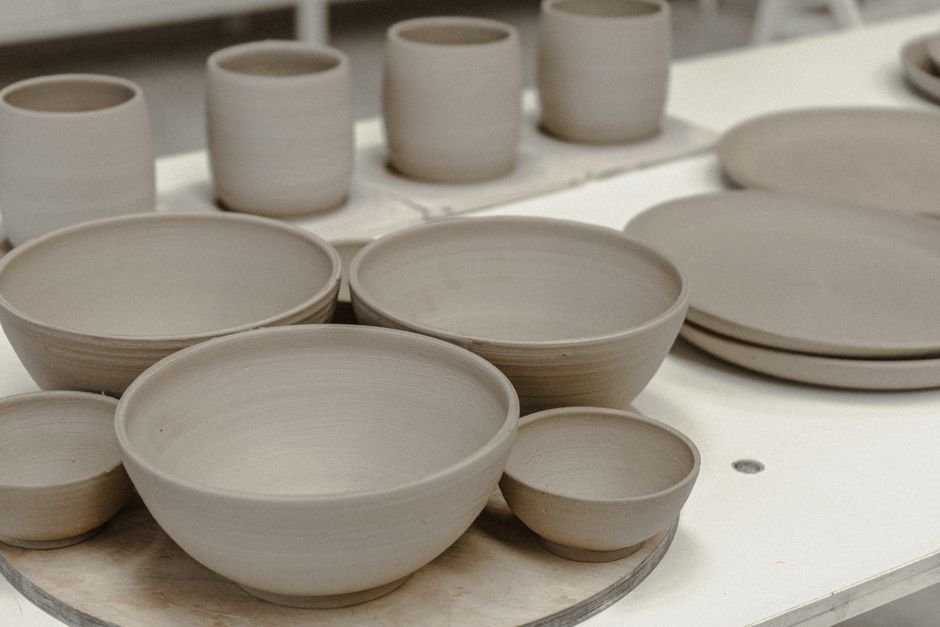
Pottery traditionally refers to objects made from clay, shaped by hand or on a wheel, and fired to make them hard and permanent. The classic examples are vessels: bowls, cups, jugs, plates, pots and vases.
The word comes from the idea of a pot, and it has long been tied to containers for storing, cooking, serving and carrying. For most of human history, pottery was everyday equipment rather than decoration.
Pottery also refers to the craft and the workplace. You might do pottery as a hobby, take a pottery class, or visit a pottery, meaning a workshop where pots are made.
Most pottery falls into three broad clay families: earthenware, stoneware and porcelain. Each fires at different temperatures and has a different look and feel. Our guide to stoneware versus porcelain versus earthenware explains them.
Pottery is often associated with handmade or small batch work, although factories produce pottery too. When people say pottery, they usually picture functional, clay based objects with a craft feel.
In some contexts, pottery also hints at a style. Rustic, earthy, hand thrown pieces often get called pottery, while sleek, factory made porcelain is more likely to be called china or ceramics, even though both are technically the same family of material.
What Ceramics Means
Ceramics is the wider umbrella. It describes objects made from inorganic, non metallic materials that are shaped and then hardened by heat. Clay is the most familiar ceramic material, but it isn’t the only one.
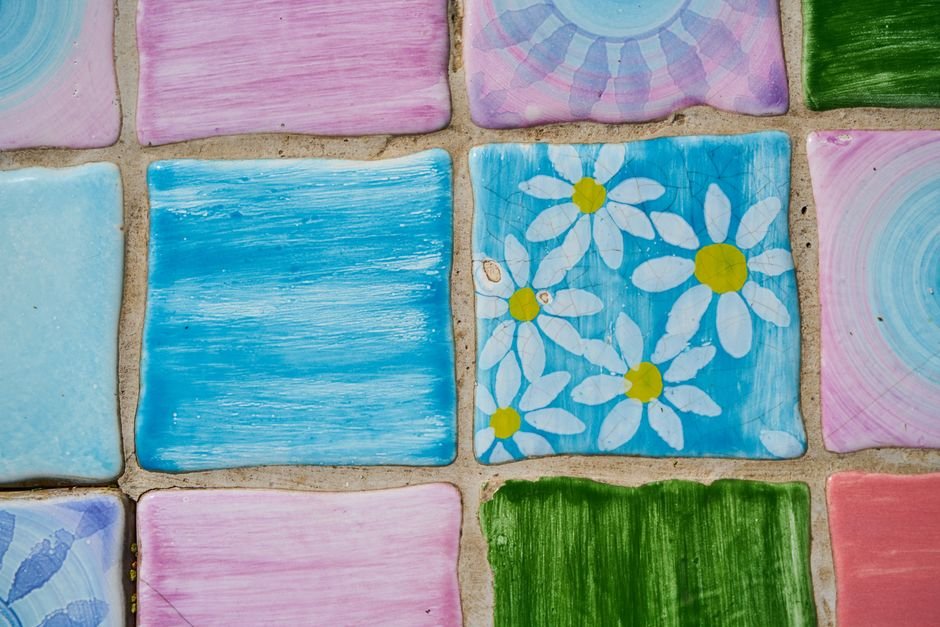
Under this umbrella sit pottery, tiles, bricks, roof tiles, toilets and basins, porcelain dinnerware, figurines and ceramic sculpture. It also includes technical ceramics used in industry, such as insulators, cutting tools, engine parts and even components in electronics.
The word comes from the Greek keramos, linked to potter’s clay, so the two words share deep roots. Over time, ceramics grew to cover a far wider range of materials and uses.
In art, ceramics often signals a broader practice. A ceramics artist might make sculpture, installations or wall works as well as vessels. Our article on what counts as ceramic art explores that range.
Scientists and engineers also use ceramics to describe materials such as alumina, zirconia and silicon carbide, which may contain no clay at all. Our guide to understanding ceramics as a material goes deeper into that side.
Where The Difference Between Pottery And Ceramics Blurs
All pottery is ceramic. A hand thrown mug is both a piece of pottery and a ceramic object, which is why the words are so often used interchangeably.
In everyday speech, people rarely need the technical distinction. If someone says they bought some lovely ceramics at a market, everyone pictures handmade bowls and mugs, not spark plugs or bathroom tiles.
Many makers use both words depending on context. A potter might describe their craft as pottery but list their products online as ceramics, because that’s what buyers search for.
Language also shifts with fashion. Ceramics can sound more contemporary or design focused, while pottery can sound more traditional or homely. Neither is better. They just carry slightly different flavours, and the same piece can wear either label happily.
Museums add another twist. Their collections are often labelled ceramics, even when most of the objects are pots, because ceramics neatly covers vessels, tiles, figures and fragments in a single word. That’s a practical choice rather than a statement that pottery is somehow lesser.
The overlap extends to people too. Potters, ceramicists and ceramic artists often share the same skills and studios. Our article on what a ceramicist actually does looks at how those titles blur.
How Studios Use The Words Pottery And Ceramics
A ceramic studio is usually a place where people make pottery. That might sound contradictory, but it reflects how the words work. The studio is named for the material and process, while pottery describes many of the objects made there.
Class names vary. Some studios call their courses pottery classes, while others say ceramics classes, even when the content is identical. Wheel throwing, hand building, glazing and firing appear in both.
Sometimes a ceramics class signals a broader scope, perhaps including sculpture, slip casting or experimental techniques. A pottery class might focus more on functional vessels. It’s worth reading the description rather than relying on the title.
At Le Studio, our ceramic studio offers classes in wheel throwing, hand building and sculpture, so you’ll find both pottery and broader ceramic work happening side by side.
Firing services follow the same pattern. Our firing service fires pottery and ceramic sculpture alike, because the kiln only cares about the clay and temperature, not the label.
Even supplier catalogues mix the words freely. You’ll see pottery clay, ceramic clay, pottery glaze and ceramic glaze used for the same products, so don’t let the wording on a bag or jar confuse you.
Why The Difference Between Pottery And Ceramics Rarely Matters
If you’re starting out, the difference between pottery and ceramics won’t change much about what you do. You’ll still learn to wedge clay, shape it, dry it and fire it.
What matters more is choosing the right class or studio for your goals. Do you want to make functional mugs, explore sculpture, or just try clay for fun? Those questions shape your experience far more than terminology.
Understanding clay types, firing temperatures and basic tools will help you much more than worrying about labels. Our list of ceramic terms every beginner should know covers the vocabulary that actually matters in a studio.
Many experienced makers happily use both words. If someone asks whether you do pottery or ceramics, saying both is perfectly accurate.
The most important thing is getting your hands in clay. The language will make more sense once you’ve made a few pieces.
If you do want a quick rule to remember, try this one: pottery is something you make, while ceramics is what it becomes after the kiln. It isn’t a textbook definition, but it captures how most studios use the words, and it’ll carry you through almost any conversation with a teacher, supplier or fellow maker.
What Competing Guides On Pottery Versus Ceramics Leave Out
Most guides explain the definitions, then stop. They rarely show how earthenware, stoneware and porcelain fit under both words. All three are clay bodies, so they’re all ceramic, and when shaped into vessels, they’re all pottery.
Earthenware fires at lower temperatures and stays more porous. Stoneware fires hotter and becomes denser and stronger. Porcelain fires hot and can become white and translucent. Our guide to what makes porcelain pottery different explains the porcelain side.
Another gap is how the terms appear in class descriptions. A course called introduction to ceramics might cover exactly the same skills as one called beginner pottery. Read the details for techniques, class length, materials included and whether firing is covered.
Guides also skip the word china. In everyday English, china often means fine porcelain tableware, and bone china is a specific type made with bone ash. It’s another overlapping term within ceramics.
Finally, competing guides rarely suggest trying both directions. Many beginners start with functional pottery and later explore sculpture, or the reverse. Our workshops and classes make it easy to try different paths.
Whether you call it pottery or ceramics, the best way to understand it is with your hands. Explore both in the ceramic studio at Le Studio Art Space in Mordialloc, through classes in wheel throwing, hand building and sculpture.
Frequently Asked Questions
Is pottery the same as ceramics?
Pottery is a type of ceramics. All pottery is ceramic, but ceramics also includes tiles, sculpture, bricks and technical materials.
Should I take a pottery class or a ceramics class?
Look at the class description rather than the name. Many pottery and ceramics classes teach the same skills, while some ceramics classes include sculpture or experimental techniques.
Is porcelain pottery or ceramics?
Both. Porcelain is a ceramic material, and porcelain vessels are pottery.
Why do some people prefer the word ceramics?
It can sound broader or more contemporary, and it covers sculpture and other non vessel work. It’s mostly personal preference.
Does Le Studio Art Space teach pottery or ceramics?
Both. Le Studio Art Space’s ceramic studio offers classes in wheel throwing, hand building and sculpture, covering functional pottery and broader ceramic work.
This article is provided for general educational purposes by Le Studio Art Space. Terminology varies between countries, studios and industries, so definitions here are general rather than technical standards.