Famous ceramics worth knowing range from prehistoric figures like the Venus of Dolni Vestonice and ancient Jomon pottery to the Terracotta Army, the glazed bricks of Babylon’s Ishtar Gate, Chinese blue and white porcelain, Wedgwood jasperware and modern works such as Ai Weiwei’s Sunflower Seeds. They matter for their age, craftsmanship, cultural role and influence on later makers.
Ceramics might be the most widespread art form humans have ever made. Clay is found almost everywhere, and once people discovered that fire could make it permanent, they used it for cooking pots, burial goods, building materials, prized trade goods and, eventually, gallery art. Some of those objects have become famous ceramics in their own right.
At Le Studio Art Space in Mordialloc, we spend our days around clay and our gallery walls, so we love a good story about how a ceramic piece came to matter. This guide takes a tour through famous ceramics, explains what makes them important, and suggests how to see ceramics in person and look at them with fresh eyes.
What Makes Ceramics Famous
Age is one reason. Some of the oldest surviving human made objects are fired clay, and they offer rare glimpses into the lives and beliefs of early communities.
Craftsmanship is another. Pieces that show extraordinary skill, whether in thin porcelain walls, complex glazes or detailed modelling, become benchmarks that later makers study and admire.
Cultural role matters too. Ceramics made for royal courts, religious rituals or burial often carry deep meaning, and they tell us about the societies that made them.
Influence and trade can make ceramics famous as well. Some wares were so desirable that they travelled across continents, inspired imitations and changed industries.
Survival plays a part too. Fired clay is remarkably durable once buried, so ceramics often outlast textiles, wood and paper from the same period. Archaeologists rely heavily on pottery fragments to date sites and trace trade routes, which means even humble broken pots can become historically important.
Finally, some modern ceramics became famous because they challenged ideas about what art is. Our article on why ceramics have always mattered in art history explores this longer story.
Famous Ancient And Traditional Ceramics
The Venus of Dolni Vestonice, a small fired clay figure from the Czech Republic, is often dated to around 26,000 years ago. It’s among the oldest known ceramic objects, made long before pottery vessels were common.
Some of the earliest known pottery vessels come from East Asia. Japan’s Jomon pottery, named after the cord marked patterns pressed into its surface, has a history stretching back many thousands of years and is admired for its bold, sculptural forms.
Ancient Greek painted pottery, with its black figure and red figure styles, recorded myths, athletics and daily life. These vessels remain one of our richest visual sources for ancient Greek culture.
The Terracotta Army, discovered in 1974 near Xi’an in China, was made to accompany China’s first emperor, Qin Shi Huang, in the afterlife. Thousands of life sized figures, each with individual features, show astonishing organisation and skill.
The Ishtar Gate of ancient Babylon was covered in glazed bricks showing lions, bulls and dragons. A reconstruction of the gate using original bricks is held in Berlin, and individual panels are in museums around the world. Our article on how pottery was made in ancient times covers early techniques.
Famous Ceramics Tied To Trade And Technology
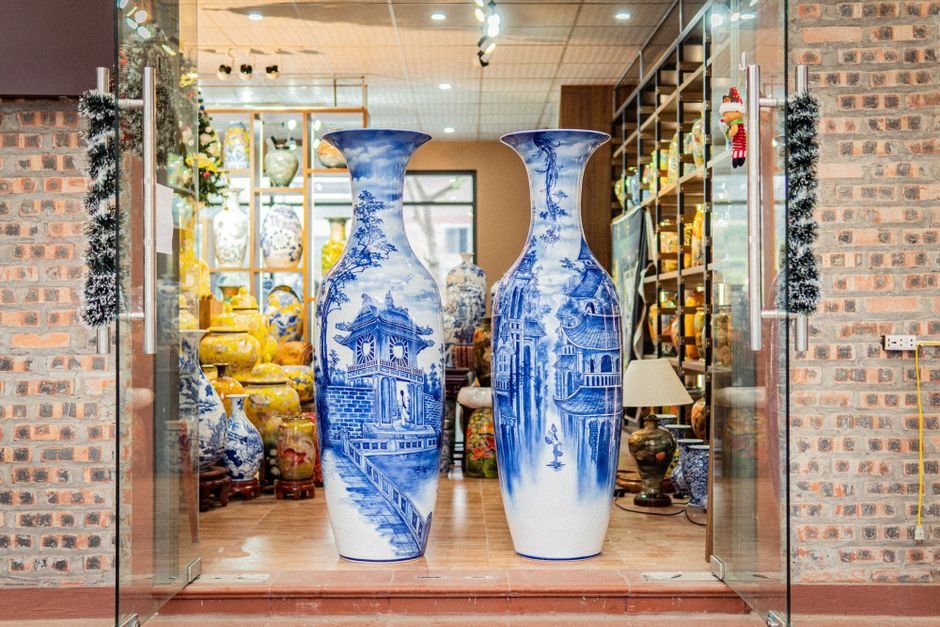
Chinese porcelain transformed global trade. Jingdezhen became famous as a centre of porcelain production, and blue and white porcelain, painted in cobalt under a clear glaze, was especially prized during the Ming dynasty and exported widely.
Song dynasty ceramics, including subtle celadons and other refined wares, are admired for their restrained forms and glazes. Many potters still study them for their quiet beauty.
The demand for Chinese porcelain inspired imitations around the world. Dutch Delftware, a tin glazed earthenware, imitated blue and white designs, while Iznik pottery from Ottoman Turkey developed its own brilliant style of floral decoration.
In Europe, the Meissen factory near Dresden produced the first European hard paste porcelain in the early eighteenth century, unlocking a secret long guarded in China.
Josiah Wedgwood’s jasperware, introduced in the 1770s, combined unglazed coloured stoneware with white relief decoration. His copy of the Portland Vase, an ancient Roman glass vessel, became one of the most celebrated ceramic achievements of its time. Our article on sprigging in ceramics explains how that relief decoration works.
Famous Ceramics In Modern Art
Marcel Duchamp’s Fountain, presented in 1917, was a mass produced porcelain urinal signed with a pseudonym. Although it wasn’t handmade, it became one of the most discussed artworks of the twentieth century, raising questions about what counts as art.
Pablo Picasso made a large body of ceramic work at the Madoura workshop in Vallauris, in the south of France, from the late 1940s. His plates, jugs and vases brought playful energy to the medium.
Peter Voulkos and other American artists in the 1950s pushed ceramics into abstract sculpture, while British potters such as Lucie Rie and Hans Coper brought modernist refinement to vessels. Our article on famous ceramic artists every potter should know introduces many of these makers.
Ai Weiwei’s Sunflower Seeds, shown at Tate Modern’s Turbine Hall in 2010, consisted of millions of individually made porcelain seeds produced by artisans in Jingdezhen. It connected ceramics to ideas about mass production, labour and individuality.
Grayson Perry’s vases, covered in detailed imagery and text, brought ceramics into mainstream art conversation, especially after his 2003 Turner Prize win.
Japanese kintsugi deserves a mention here too. The practice of repairing broken ceramics with lacquer dusted in gold has a long history, but it has captured modern imaginations as a symbol of embracing damage and repair. Many contemporary artists and designers now reference it, and it has helped people see a cracked bowl as something with a story rather than something to throw away.
How To See Famous Ceramics In Person
Major museums are the best place to see historic ceramics. Large public collections often include ancient pottery, Chinese porcelain, European wares and contemporary works. Check which pieces are on display, as collections rotate.
In Melbourne, major public galleries hold significant ceramics collections, and touring exhibitions bring international work to Australia from time to time.
Smaller galleries show contemporary ceramics, often by local artists. These spaces let you see new work and sometimes meet the makers.
Open studios and maker markets give you a chance to handle ceramics, which tells you far more about weight and balance than looking through glass.
When you visit a museum, take your time with a few pieces rather than rushing past hundreds. Read the labels for dates, places and techniques, then look again with that knowledge. Many museums also publish collection images and notes online, which makes a great way to prepare before a visit or follow up afterwards.
At Le Studio, our gallery and exhibition space hosts exhibitions and pop up shows, while our ceramic studio lets you see how contemporary work is made.
What Competing Guides To Famous Ceramics Leave Out
Most lists of famous ceramics simply name objects. They rarely explain how to look at a ceramic piece critically. Start with form. Notice the overall shape, proportions and how the foot, body and rim relate to each other.
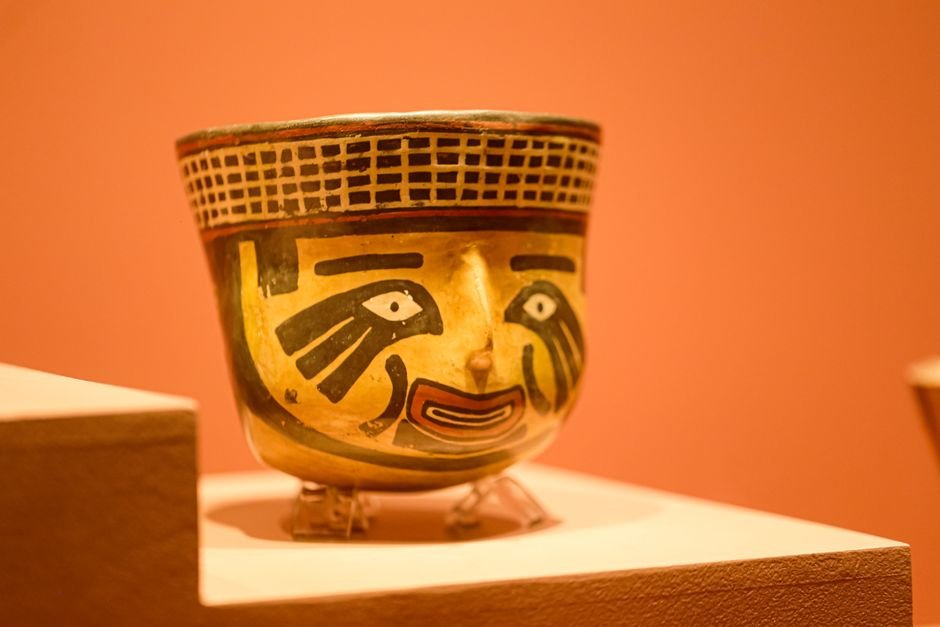
Then look at surface. Is it glazed, burnished, painted or carved? How does the glaze behave on edges and in hollows? Many potters find that surface reveals the most about the maker’s intention and skill.
Consider making. Can you see throwing lines, coil joins, mould seams or tool marks? These clues tell you how the piece was made. Our guide to the stages of clay from wet to fired helps you recognise them.
Think about purpose. Was it made for use, ritual, display or trade? Context changes how we understand an object. A storage jar and a ceremonial vessel might share a shape yet carry very different meanings.
Another gap is how local galleries show contemporary work alongside history. Seeing a new piece by a local maker after studying ancient pottery can reveal surprising connections, from shared forms to similar techniques. Our workshops and classes are a great way to experience those connections firsthand.
History is only half the story. Come and see contemporary ceramic work at the gallery at Le Studio Art Space in Mordialloc, and meet the makers carrying these traditions forward in our ceramic studio.
Frequently Asked Questions
What is the oldest known ceramic object?
Fired clay figures such as the Venus of Dolni Vestonice are among the oldest known ceramic objects, often dated to around 26,000 years ago.
Why was Chinese porcelain so valuable?
It was strong, thin, white and translucent, and for centuries other regions couldn’t reproduce it. That rarity made it highly prized in global trade.
Is the Terracotta Army really made of clay?
Yes. The figures are made of fired clay, originally painted. They were discovered in 1974 near Xi’an in China.
Are modern ceramics considered fine art?
Many are. Artists like Peter Voulkos, Grayson Perry and Ai Weiwei have helped ceramics gain recognition in major galleries and art prizes.
Can I see ceramic exhibitions at Le Studio Art Space?
Le Studio Art Space has a gallery used for exhibitions and pop up shows, and its ceramic studio is home to working makers. Check our website for current events.
This article is provided for general educational purposes by Le Studio Art Space. Historical details are kept general and drawn from widely published sources, and display locations can change, so check with museums before visiting.