Famous potters who changed the craft include Josiah Wedgwood, who transformed pottery production in eighteenth century England, Shoji Hamada and Bernard Leach, who helped define studio pottery, Maria Martinez, who revived black on black ware at San Ildefonso Pueblo, Michael Cardew and Ladi Kwali, who bridged traditions in Nigeria, and teachers such as Warren MacKenzie and Daniel Rhodes, who shaped how potters learn.
Every time you centre clay, pull a handle or open a kiln, you’re using knowledge passed down through generations of potters. Some of those people are anonymous, but famous potters left a clear mark on how pottery is made, taught and valued. Their stories are worth knowing, not as trivia, but because their ideas still shape studios today.
At Le Studio Art Space in Mordialloc, our ceramic studio is full of potters building on that inheritance, often without realising where their habits came from. This guide introduces well documented famous potters, what each changed, and what today’s makers can take from them, from industry and folk craft to teaching and writing.
What Makes A Potter Influential
Influence in pottery comes in different forms. Some potters changed technique, developing new clay bodies, glazes or production methods that others adopted.
Others changed ideas. They argued for the value of handmade objects, the dignity of everyday ware, or the place of pottery alongside fine art. Those ideas reshaped how potters saw themselves.
Teaching is another powerful form of influence. Potters who trained apprentices or taught in schools passed on methods and values to hundreds of students, who then taught others.
Writing matters too. Books on clay, glaze and firing have guided potters who never met their authors, sometimes for decades after publication. A clear explanation of a glaze or kiln problem can travel much further than any single pot.
Finally, some potters became influential by keeping traditions alive, reviving or sustaining techniques that might otherwise have faded, and bringing them to new audiences. Many famous potters combined several of these roles across long careers.
It’s worth remembering that influence isn’t the same as fame. Some of the potters below were household names in their lifetimes, while others were recognised mostly by fellow makers. What they share is that their work or ideas spread, through pots, students, books and workshops, into the everyday practice of potters who may never have heard their names.
Famous Potters Who Defined Studio Pottery
Josiah Wedgwood, working in eighteenth century Staffordshire, changed pottery at an industrial scale. He experimented relentlessly with clay bodies and glazes, developed jasperware in the 1770s, and introduced production and marketing methods that influenced manufacturing far beyond ceramics.
The studio pottery movement, in part, grew as a response to that industrialisation. Bernard Leach and Shoji Hamada established the Leach Pottery in St Ives in 1920, championing the individual potter making functional ware by hand. Our article on famous ceramic artists every potter should know covers Leach’s influence in more detail.
Shoji Hamada returned to Japan and built his workshop in Mashiko. Alongside thinker Soetsu Yanagi and potter Kawai Kanjiro, he was associated with the Mingei movement, which celebrated the beauty of everyday objects made by unnamed craftspeople. In 1955 Hamada was designated a Living National Treasure.
Michael Cardew, one of Leach’s first students, made slipware at Winchcombe in England before spending many years in West Africa. His practical approach to materials and kilns influenced potters working with limited resources.
Together, these potters helped establish the idea that a single maker could design, make and fire their own work, an idea that underpins most studios today.
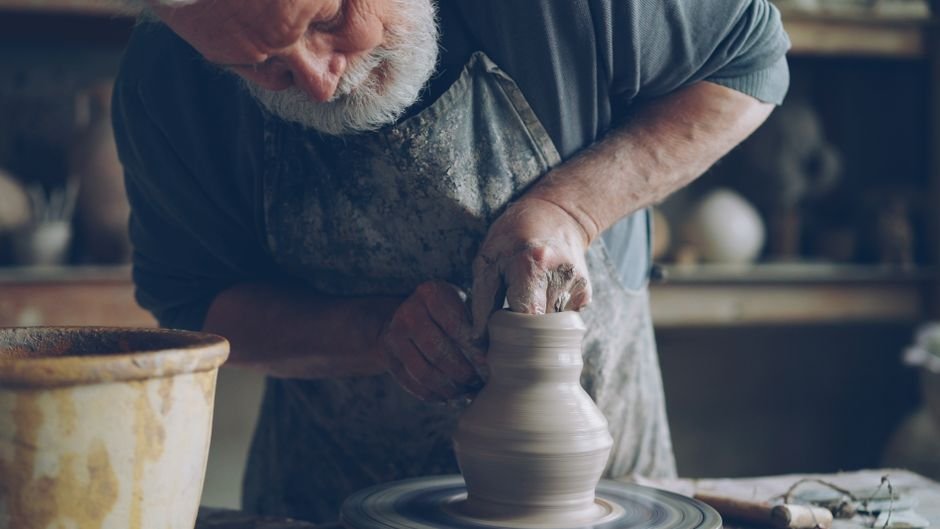
Famous Potters Who Brought Tradition To New Audiences
Maria Martinez, from San Ildefonso Pueblo in New Mexico, is one of the most celebrated potters of the twentieth century. Working with her husband Julian, she developed and refined the polished black on black ware that became famous worldwide. Her work helped bring wider recognition to Pueblo pottery traditions.
Ladi Kwali grew up in a Gwari pottery tradition in Nigeria, hand building large water jars using methods learned from her aunt. Michael Cardew saw her work in 1950, and she later joined the Pottery Training Centre in Abuja, where she learned wheel throwing and glazing while keeping her hand built forms.
Kwali’s pots were exhibited internationally, and she became one of Nigeria’s most recognised artists. Her image appears on the Nigerian 20 naira note, and the pottery centre was later renamed in her honour.
In Japan, potters working in traditions such as Bizen, Shigaraki and Hagi have maintained wood firing and local clay practices over generations, and many have been recognised as Living National Treasures. Our article on why Japanese ceramics are so highly regarded explores this further.
These potters show that tradition and innovation aren’t opposites. Many found new audiences by honouring old techniques while bringing their own sensitivity to them.
Teachers And Writers Who Shaped How We Learn
Bernard Leach’s A Potter’s Book, published in 1940, became one of the most widely read pottery books of the twentieth century. It combined practical guidance with a philosophy of making that inspired generations.
Daniel Rhodes wrote Clay and Glazes for the Potter, first published in 1957. It became a standard reference for understanding materials and glaze chemistry, and it’s still found on many studio shelves.
Warren MacKenzie, who studied with Leach, taught for decades at the University of Minnesota. He championed affordable, functional pots and influenced countless students who went on to teach and make.
Michael Cardew’s book Pioneer Pottery offered practical advice on preparing local materials and building kilns, making it valuable for potters working outside well supplied studios.
Many other teachers, often less famous, have shaped how pottery is learned in community studios, schools and workshops. In our experience, the teacher who first puts your hands on clay often influences you more than any famous name.
What Today’s Potters Can Take From Famous Potters
One lesson is the value of repetition. Many famous potters made the same forms thousands of times, refining them gradually. Practice builds the fluency that lets personal expression emerge.
Another is respect for materials. Potters like Cardew and Hamada worked closely with local clays and glazes, learning their quirks rather than fighting them.
A third is the importance of community. Workshops like St Ives, Mashiko and Abuja were places where apprentices and potters learned together. Shared studios today serve a similar role. Our article on why working artist studios matter explains why.
A fourth is that everyday pots matter. The idea that a well made bowl can enrich daily life still guides many functional potters.
Finally, there’s no single right way to be a potter. These makers came from industry, folk tradition, art school and village workshops, and each found their own path.
There’s also a lesson in openness. Leach learned from Japan, Hamada from England, Cardew from West Africa and Kwali from a training centre that blended methods. Some of the most influential pottery came from makers who were willing to learn across cultures while still respecting where techniques came from, an approach that serves today’s potters well.
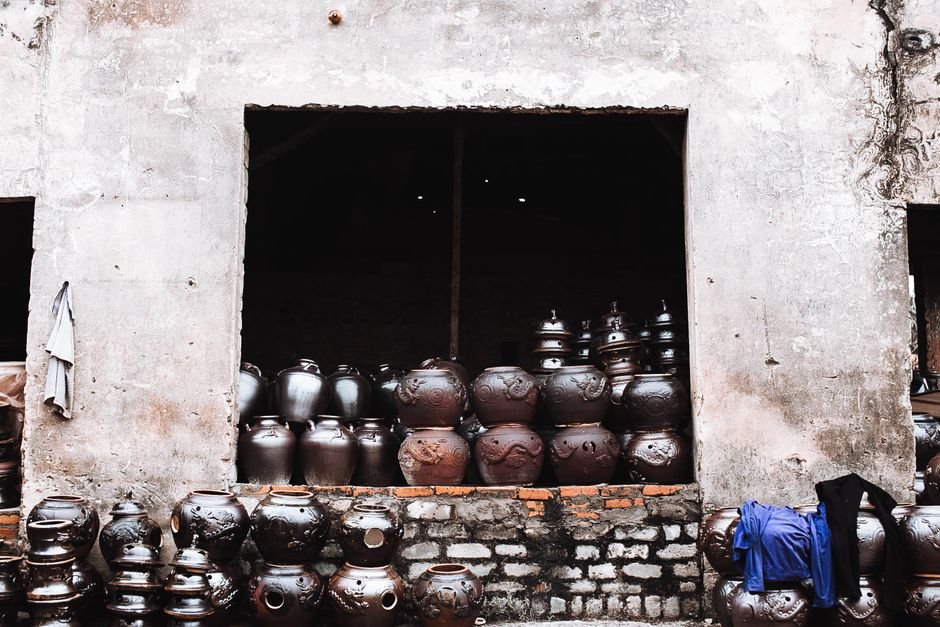
What Competing Lists Of Famous Potters Leave Out
Most lists of famous potters stop at well known names. They rarely mention how local and community potters carry influence. A teacher at a community studio who learned from someone who learned from Leach is part of that same lineage, passing on habits, standards and ideas.
Local potters also adapt traditions to their own place, using local clays, responding to local tastes and teaching local students. That’s how pottery stays alive rather than becoming a museum subject.
Another gap is how to explore these makers yourself. Books are a great start. A Potter’s Book, Clay and Glazes for the Potter and Pioneer Pottery are all widely available. Biographies and exhibition catalogues offer deeper insights.
Museums let you see the work in person. Major collections often hold pieces by studio potters, and seeing their weight, scale and surface makes their influence clearer. Check what’s on display before visiting.
Closer to home, our ceramic studio, workshops and classes and firing service let you continue the tradition with your own hands.
The craft these potters shaped is still being passed hand to hand. Continue the tradition in the ceramic studio at Le Studio Art Space in Mordialloc, with wheels, kilns and classes ready for your own work.
Frequently Asked Questions
Who is considered the father of studio pottery?
Bernard Leach is often described that way, especially in Britain, because of the Leach Pottery and A Potter’s Book. Shoji Hamada was a key partner in that story.
Who was Maria Martinez?
Maria Martinez was a potter from San Ildefonso Pueblo in New Mexico, known for polished black on black ware created with her husband Julian.
Why is Ladi Kwali famous?
Ladi Kwali was a Nigerian potter known for her hand built water jars and her work at the Abuja Pottery Training Centre. Her image appears on the Nigerian 20 naira note.
Which pottery books should beginners read?
Many potters recommend A Potter’s Book by Bernard Leach and Clay and Glazes for the Potter by Daniel Rhodes, alongside modern beginner guides.
Can I learn traditional pottery skills at Le Studio Art Space?
Le Studio Art Space’s ceramic studio offers classes in wheel throwing, hand building and sculpture, giving you a practical foundation in the skills these potters developed.
This article is provided for general educational purposes by Le Studio Art Space. Historical details are kept general and drawn from widely published sources, and readers are encouraged to consult museums and published biographies for more information.