Working artist studios matter for a local art scene because they give artists affordable space, shared equipment like kilns, and a place to make work regularly, which is where art actually gets made. Studios also act as community hubs through classes, workshops, open days, and exhibitions, and they feed galleries with new work. Without them, many artists simply couldn’t keep practising locally.
When people think about a thriving art scene, they often picture galleries, openings, and festivals. Those things matter, but they’re the visible tip of something much bigger. Behind every exhibition is months or years of work in a studio, and the health of artist studios in a local art scene often decides whether that work happens nearby at all.
At Le Studio Art Space in Mordialloc, we run a working studio and gallery under one roof, with individual, shared, and teaching studio spaces alongside our ceramic studio and kilns. This guide speaks from that experience, explaining what working studios provide, how they support artists, why they’re community hubs, how they connect to galleries, and how you can help.
What A Working Artist Studio Provides
At the most basic level, a studio provides space. Many artists live in homes or apartments that can’t accommodate messy, noisy, or large scale work. Clay, paint, sculpture materials, and tools need room, ventilation, and somewhere to leave work in progress.
Studios also provide equipment. For ceramic artists in particular, kilns, wheels, slab rollers, and glaze areas are expensive and difficult to set up at home. A shared studio makes that equipment accessible to people who couldn’t afford it individually.
Just as important is routine. Having a dedicated place to work, separate from home, helps many artists show up regularly. That consistency is what turns occasional making into a sustained practice.
A studio also offers a kind of permission. Walking into a space set aside for creative work signals that what you’re doing matters, which can be surprisingly powerful for emerging and part time artists.
If you’re weighing different kinds of studio setups, our guide comparing individual studios, shared studios, and studio memberships explains the options, and our guide to choosing art studio space in Mordialloc looks at what to consider locally.
How Studios Support Emerging And Established Artists
Affordable access is the big one. Shared studios spread costs like rent, equipment, and utilities across many artists, which makes it possible for emerging artists to start working seriously without huge upfront investment.
Shared kilns are a great example. One well maintained kiln, used by many artists, is far more efficient than everyone trying to buy and install their own. A studio firing service makes it even simpler for artists who don’t need regular studio access.
Peer support is just as valuable. Working alongside other artists means sharing knowledge, troubleshooting problems, and getting honest feedback. An emerging potter can learn a huge amount just by watching an experienced maker work at the next wheel.
Established artists benefit too. Studios provide stability, a professional base for meeting clients and collectors, and a community that keeps their practice fresh. Many established artists also mentor newer ones, which strengthens the whole scene.
Studios can also open doors. Opportunities for exhibitions, commissions, teaching, and collaborations often come through studio networks rather than formal channels.
Studios As Community Hubs
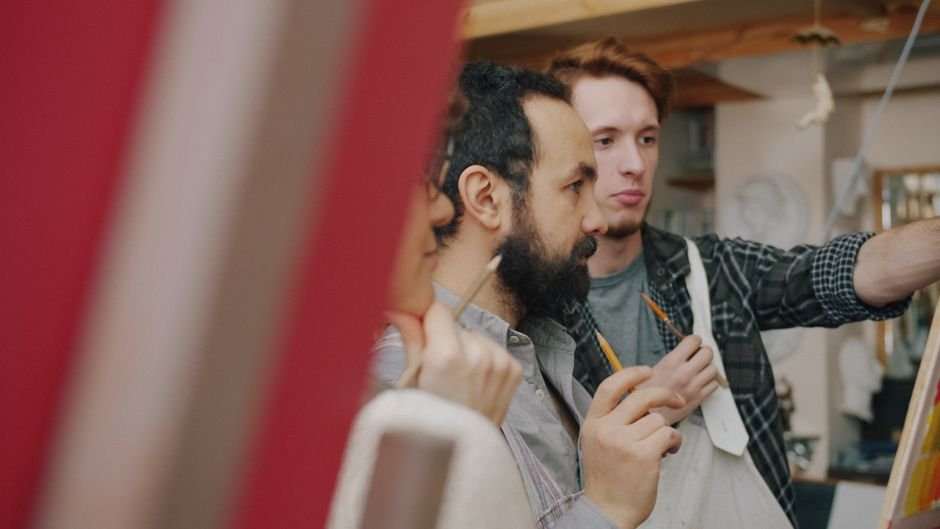
Working studios aren’t just for artists. Many run classes and workshops that bring members of the public through the door, often people who’ve never touched clay or paint before. Those first experiences can spark lifelong interests.
Open days and studio tours let people see how art is actually made. Watching a potter throw, seeing kilns, and chatting with artists about their process helps people understand and value the work behind the finished pieces.
Exhibitions and pop up shows turn studios into cultural venues. Openings bring together artists, families, neighbours, and collectors, creating a sense of shared ownership over the local arts.
Studios also support wellbeing. Many people find creative classes and community connection good for their mental health. Our article on clay as a mindfulness practice explores why so many people find pottery calming.
In this way, artist studios become places where community happens, not just where art is made. You can get a feel for that atmosphere in our article on a day in the life at Le Studio.
The Link Between Artist Studios And Galleries In A Local Art Scene
Galleries need work to show, and that work comes from studios. A thriving local art scene depends on a steady flow of new work from artists who have space to make it.
When studios and galleries sit close together, or even under the same roof, the connection becomes even stronger. Artists can develop work in the studio and show it in the gallery without the barriers of finding, applying to, and transporting work to distant venues.
Studio galleries often give emerging artists their first show. That’s a crucial step in building confidence, a body of work, and a public profile. Many artists who later exhibit widely started in exactly these kinds of local spaces.
The relationship runs both ways. Gallery visitors often become class participants, studio members, or collectors, and exhibitions bring attention and income back to the studio community. Seeing work in the same building where it was made also gives visitors a much richer sense of the process behind it.
Our guide to getting the most out of workshops and exhibitions at Le Studio explains how this works in practice.
What Competing Guides Leave Out About Artist Studios In A Local Art Scene
Most articles about artist studios in a local art scene celebrate their benefits but skip the pressures they face. Rising rents are one of the biggest. As property values climb, older warehouses and affordable buildings are often redeveloped or leased at higher rates, and artists can be priced out.
That pressure is felt in cities around the world, including Melbourne. When studios close, artists may move further away, reduce their practice, or stop altogether, and the local scene quietly loses some of its makers.
Operating costs are rising too. Electricity for kilns, insurance, maintenance, and compliance all add up. Many studios run on tight margins and rely on steady memberships, classes, and community support to stay open.
Competing guides also rarely explain how ordinary people can help. Support doesn’t need to be grand. Small, regular actions like attending exhibitions, taking classes, and buying local work make a real difference to whether studios survive.
Another overlooked point is how long it takes to rebuild a studio community once it’s lost. Equipment can be bought again, but the relationships, shared knowledge, and habits of a working studio develop over years. When a studio disappears, so does a network that helped many artists keep going, and that’s much harder to replace than a building.
Local councils and arts organisations sometimes support creative spaces through grants, subsidised leases, or arts programs. Speaking up in favour of these initiatives, and letting local representatives know that creative spaces matter to you, is another quiet but meaningful way to help.
How You Can Support Your Local Art Scene
Show up. Visit exhibitions, attend openings, and go to open days. Being part of the audience matters, and artists notice who comes. A kind word or a question about someone’s work can mean a lot, especially to an artist showing for the first time.
Take a class or workshop. It supports the studio directly, and you might discover a new passion. Our workshops and classes are a friendly place to start.
Buy local work when you can, even small pieces. A mug, print, or small sculpture from a local maker helps sustain their practice and the studios they work in.
Spread the word. Share exhibitions and events, bring friends, and recommend local studios. Word of mouth is one of the most powerful tools small creative spaces have. Following studios on social media and sharing their posts costs nothing and helps more people find them.
And if you make art yourself, consider joining a studio. Members of our ceramic studio and users of our firing service help keep shared facilities viable for everyone, while becoming part of a creative community.
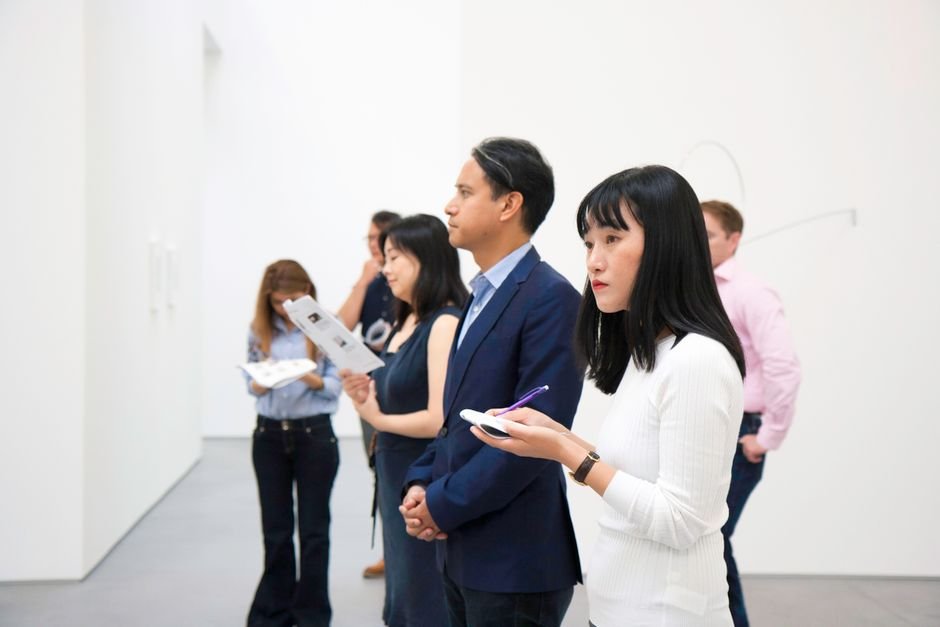
Be part of a living, local art scene. Visit an exhibition, join a class, or ask about studio space at Le Studio Art Space in Mordialloc, and help keep a working artist community thriving in Melbourne’s bayside.
Frequently Asked Questions
Why don’t artists just work from home?
Many do for some work, but space, mess, noise, and equipment like kilns make home studios difficult or impossible for many art forms. Studios fill that gap.
Are working studios open to the public?
It varies. Many hold open days, exhibitions, classes, and workshops that welcome the public, while private studio areas are reserved for the artists working there.
How do rising rents affect artist studios?
Higher rents can push studios out of central areas or force them to close, which reduces affordable space for artists and weakens the local scene.
Can I support a studio if I’m not an artist?
Absolutely. Attending exhibitions, taking classes, buying local work, and recommending the studio to others all make a real difference.
Does Le Studio Art Space have studio space available?
Le Studio Art Space offers individual, shared, and teaching studio spaces in Mordialloc. Availability changes, so it’s best to ask the team directly.
This article is provided for general educational purposes by Le Studio Art Space and reflects general observations about creative communities.