To find good pottery wheel classes near you, look beyond the first search result and compare class size, instructor experience, the number and quality of wheels, and what’s included, such as clay, glazing, and firing. Check recent reviews, ask how many students share each wheel, and choose between a one-off taster and an ongoing course depending on whether you want a fun first try or real skill building.
Typing pottery wheel classes near me into a search bar usually brings up a long list of studios, event pages, and booking platforms, all with lovely photos of smiling people and spinning clay. It’s tempting to just book the first one with a free spot, but a little comparison can make the difference between a frustrating session and one that genuinely hooks you.
At Le Studio Art Space in Mordialloc, we welcome plenty of first-time wheel students from across Melbourne’s bayside suburbs, and we’re happy to share what makes a good class, even if you end up booking elsewhere. This guide covers what to look for, what to ask, how to compare class types, and how to vet a studio before you commit.
What To Look For In A Good Wheel Class
Class size is one of the most important factors. Wheel throwing is a hands-on skill, and beginners need individual attention, especially when learning to centre clay. Smaller classes mean the instructor can spend more time at each wheel, correcting hand positions and helping when things go wobbly.
Instructor experience matters just as much. A good teacher isn’t only a skilled potter but someone who can explain clearly, stay patient, and adapt to different learning styles. Look for studios that mention their instructors’ backgrounds or practising artists who teach regularly.
Equipment quality is worth checking too. Well maintained, full-size electric wheels with smooth speed control make learning far easier than older or undersized machines. Clean, organised workspaces and good lighting also help.
Finally, consider the atmosphere. Some studios are lively and social, others are calm and focused. Photos, reviews, and a quick visit can help you work out which suits you best.
Timing and practicalities count too. Check whether class times genuinely fit your week, whether there’s parking or good public transport, and whether the studio is accessible if that matters to you. A class that looks perfect on paper but runs at an awkward time or is hard to reach often ends with missed sessions, which is a shame when wheel skills rely so heavily on regular practice.
Questions Worth Asking Before You Book
Ask what’s included in the price. Does it cover clay, tool use, glazing, and firing? Some classes include everything, while others charge extra for firing or glazing, which can change the real cost considerably.
Ask how many wheels are available and whether each student gets their own. Sharing a wheel can halve your practice time, which is a big difference in a short class.
Ask what happens to your pieces after class. Will they be trimmed, glazed, and fired for you, or will you need to return? How long until you can collect them? Knowing the timeline helps if you’re hoping to make a gift.
Ask about the class structure. Is there a demonstration first? How much time is spent on the wheel versus watching? Are there opportunities to practise between sessions?
Finally, ask about cancellation and rescheduling policies, particularly for multi-week courses. Life happens, and flexible terms can save stress later.
Comparing A One Off Class To An Ongoing Course
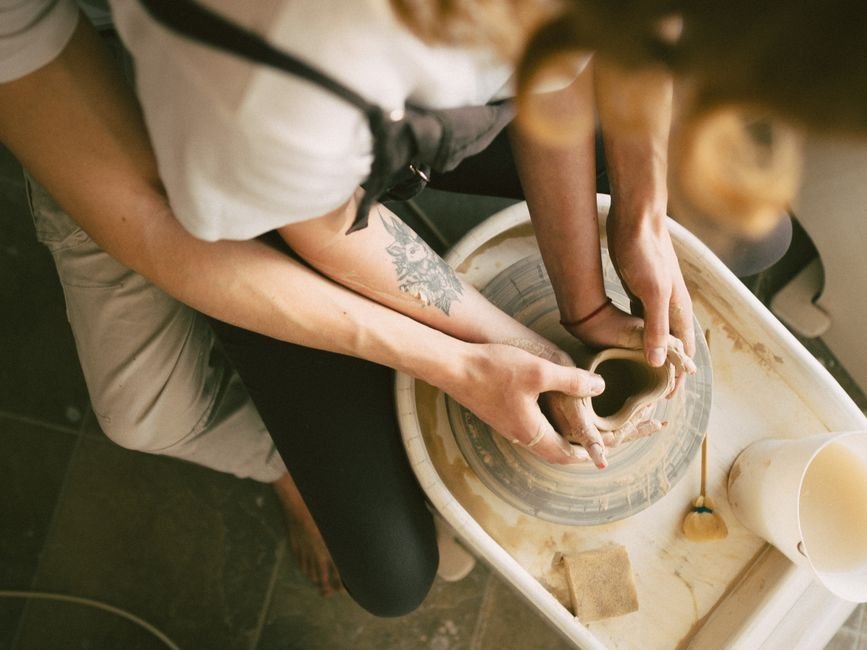
One-off classes, sometimes called taster sessions or date night classes, are designed as a fun introduction. You’ll usually get a demonstration, some guided time at the wheel, and a chance to make one or two simple pieces. They’re perfect for trying pottery without commitment, celebrating an occasion, or deciding whether you’d like to learn more.
Ongoing courses, often running weekly over several weeks, are built for genuine skill development. Each session builds on the last, covering centring, opening, pulling walls, shaping, trimming, and glazing. By the end, most students can throw simple forms more independently.
The main trade-off is depth versus commitment. A one-off class gives you a taste, but wheel throwing takes practice, and a single session rarely leads to consistent results. An ongoing course asks more of your time and budget but offers much more progress.
Many people start with a taster, then move into a course once they know they enjoy it. That’s a sensible path, especially if you’re unsure. Our article on how long it takes to learn wheel throwing sets realistic expectations.
Checking Reviews Of Pottery Wheel Classes Near You
Recent reviews are a great starting point. Look for comments about instructor attention, class size, the condition of equipment, and whether pieces were returned on time. Patterns matter more than single reviews, so read a range.
Social media can also reveal a lot. Studios that regularly share students’ work, class photos, and behind-the-scenes posts are often active and engaged. It also gives you a sense of the style of work being made.
Word of mouth is valuable too. Ask friends, colleagues, or local community groups for recommendations. People are usually happy to share good and bad experiences.
If you can, visit the studio before booking. A quick look at the space, the wheels, and how people interact tells you more than any review. Most studios welcome curious visitors, especially during open hours or events.
When reading reviews, pay attention to how a studio responds to criticism as well. A thoughtful, helpful reply to a less positive review often says more about how students are treated than a long list of five star ratings. Look out, too, for reviews that mention being welcomed back, finished pieces arriving as promised, and instructors who remembered students’ names, since these small details tend to reflect a well run, caring studio.
What Competing Guides Leave Out
Most guides tell you to check reviews, but few explain how to tell if a studio has enough wheels for a small class. A simple test is to compare the advertised class size with the number of wheels. If a class has twelve students and six wheels, you’ll be sharing and spending half the time watching. A class where every student has their own wheel is almost always better value.
It’s also worth asking about the instructor-to-student ratio. For beginner wheel classes, many potters find that groups of around six to eight students per instructor allow enough individual help. Larger groups can work if there’s an assistant.
Price is the other big gap. One-off beginner wheel sessions in Melbourne commonly cost somewhere around the price of a nice dinner out, while multi-week courses typically run to several hundred dollars. Prices vary with class length, group size, and inclusions, so compare what’s covered rather than the headline figure. A cheaper class that charges separately for firing and glazing may cost more overall.
Finally, consider location honestly. A studio close to home or work makes it far easier to attend every session of a course and to come back for glazing and collection.
What To Expect Once You Find The Right Class
A good first class usually starts with a friendly welcome, a quick safety briefing, and a demonstration of the basics. You’ll then get time at your own wheel, learning to centre clay with plenty of hands-on help.
Expect some wobbles and collapses. Centring is tricky at first, and almost everyone finds it harder than it looks. A good instructor will make that feel normal and help you celebrate small wins.
It helps to arrive prepared. Wear comfortable clothes you don’t mind getting muddy, keep fingernails short if you can, tie back long hair, and remove rings and bracelets before you start. Bring a small towel and a relaxed attitude. Most of all, give yourself permission to be a beginner, because the people who enjoy their first wheel class most are usually the ones who laugh off the wobbles.
By the end, you’ll likely have one or two simple pieces, a new respect for potters, and a clear sense of whether you’d like to continue. For a step-by-step walkthrough, see our guide to what happens in a pottery wheel class.
When you’re ready to keep going, our workshops and classes, ceramic studio access, and firing service give you everything you need to build real skills.
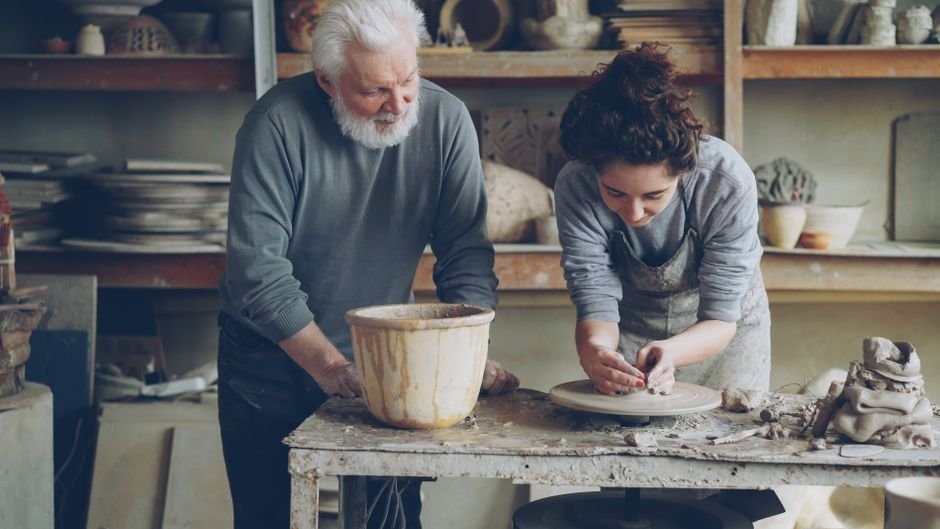
Searching for a pottery wheel class in Melbourne’s bayside? Book a wheel class at Le Studio Art Space in Mordialloc, with small groups, your own wheel, and friendly instructors who love helping beginners.
Frequently Asked Questions
How do I know if a pottery wheel class is beginner friendly?
Look for classes described as beginner or introductory, with small groups and clear demonstrations. Reviews from first-time students are a good indicator too.
Should I book a one-off class or a full course?
A one-off class is great for trying it out, while a course builds real skills. Many people start with a taster and then join a course.
Is it normal to share a wheel in a class?
Some classes do share wheels, but it reduces your practice time. It’s worth asking before you book.
Do pottery wheel classes include firing my pieces?
Many do, but not all. Always check whether glazing and firing are included or charged separately.
Does Le Studio Art Space run wheel classes for complete beginners?
Yes, Le Studio Art Space runs wheel classes suitable for complete beginners in Mordialloc. Check our workshops and classes page for current sessions.
This article is provided for general educational purposes by Le Studio Art Space. Class formats, prices, and inclusions vary between studios and may change over time.