Stoneware clay is durable because it is fired to mid or high temperatures, where its particles partly melt and fuse in a process called vitrification. The result is a dense, hard body with low water absorption that resists chipping and everyday wear, which is why stoneware is so popular for mugs, bowls, plates and other functional pottery.
Look around most pottery studios and you’ll see shelves of pieces made from stoneware clay. Mugs, bowls, plates and planters, in speckled clays, smooth browns and creamy whites. For many potters, stoneware is the default choice for everyday ware, and for good reason. It’s strong, reliable and forgiving in both making and use.
At Le Studio Art Space in Mordialloc, stoneware is a staple in our ceramic studio, and our firing service runs midfire firings that suit many stoneware bodies. This guide explains what stoneware clay is, why it’s so strong, how it feels to work with, what it’s used for, how to choose a body, and what competing guides miss.
What Stoneware Clay Is
Stoneware clay is a clay body designed to mature at mid to high firing temperatures. In studio terms, that usually means somewhere around cone 5 to cone 10, depending on the clay.
The name hints at the result. Fired stoneware is hard, dense and stone like, much tougher than low fire earthenware.
Stoneware bodies usually combine plastic clays, such as ball clay and fireclay, with feldspar and silica. Feldspar acts as a flux that melts during firing, while silica helps form the glassy bonds that make stoneware strong.
Many stoneware clays are grey, buff or brown when raw, firing to cream, tan, grey or warm browns. Iron and other minerals can create speckles, especially in reduction firings.
There are mid fire stoneware bodies, designed for around cone 6, and high fire bodies designed for around cone 10. Using the right one for your kiln is essential, and our guide to cone 6 versus cone 10 firing explains the difference.
Stoneware has a long history too. Chinese, Korean, Japanese and European potters have made stoneware for centuries, from rugged storage jars to refined tea bowls, and many of the glazes potters love today were developed on stoneware bodies.
Why Stoneware Clay Is Strong
The key is vitrification. As stoneware heats toward its maturing temperature, the fluxes in the clay begin to melt, forming glass that flows between and around the clay particles.
When the kiln cools, that glass solidifies, binding everything into a dense, tightly bonded structure. Most of the tiny pores found in bisque or earthenware close up.
This density gives stoneware its strength. It’s less likely to chip, it handles everyday knocks well, and it typically absorbs very little water once properly fired.
Firing temperature matters. Underfired stoneware can stay porous and weaker, while overfiring can cause warping, bloating or slumping. Firing within the recommended range is essential.
The clay’s composition also matters. A well balanced body with the right proportion of clay, flux and silica vitrifies evenly and resists cracking. Our guide to the stages of clay from wet to fired shows where vitrification fits in.
A properly vitrified stoneware piece often rings when tapped and feels noticeably heavier and denser in the hand than earthenware of the same size. Those little clues are a handy way to recognise stoneware on a market table or a studio shelf.
Working With Stoneware Clay
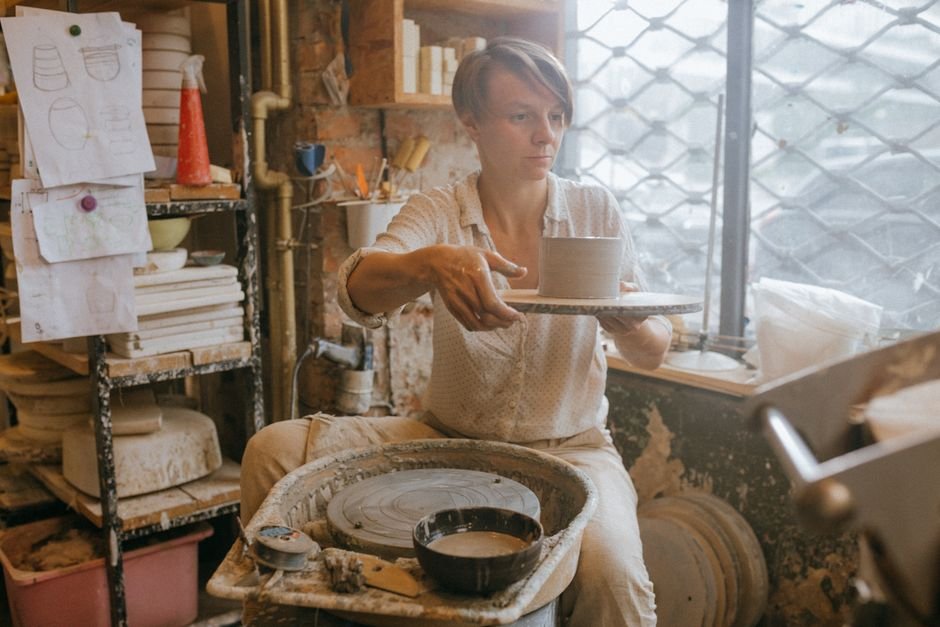
On the wheel, stoneware tends to feel firm and responsive. It holds its shape well during throwing, which helps beginners build height and control. Our guide to choosing the right clay for the pottery wheel explains why many teachers start students on stoneware.
Smooth stoneware bodies feel silky and are lovely for detailed throwing and trimming. Grogged bodies feel more textured and can be a little rougher on hands, but they add strength and reduce warping.
For hand building, stoneware works well, especially grogged bodies that resist cracking in slabs and larger forms.
Stoneware dries fairly evenly, though thick bases and joins still need care. Covering pieces loosely and drying them slowly helps avoid cracks.
It’s generally forgiving. Small mistakes in thickness or joining are less likely to cause failure than with porcelain, which makes stoneware a popular learning clay.
Stoneware also reclaims well. Scraps and trimmings can be soaked, dried to a workable consistency and wedged back into use, so very little needs to go to waste once you get into a good reclaim routine.
What Stoneware Clay Is Used For
Functional ware is stoneware’s natural home. Mugs, bowls, plates, jugs, teapots and casserole dishes all benefit from its durability.
Stoneware’s density makes it a common choice for pieces that will be used and washed often. Many potters choose stoneware for tableware intended for daily use.
It’s also popular for planters, vases and outdoor pieces. A well vitrified body copes better with moisture, though freezing conditions can still be tough on any ceramic.
Sculptural work suits stoneware too, especially grogged bodies that can be built thick or large. Many sculptors appreciate how well grogged stoneware holds its shape during building and how it survives firing with fewer cracks.
Many glazes are designed specifically for stoneware temperatures, offering rich, earthy and varied surfaces. Our article on how Mayco stoneware glazes perform is one example.
Because stoneware is so versatile, many potters stick with one or two favourite bodies for years. Getting to know a single clay deeply, including how it throws, dries and fires, often improves results more than constantly switching between bodies.
Choosing A Stoneware Clay Body
Start with firing temperature. Choose a body that matches the kiln you’ll use, whether that’s mid fire or high fire. A body labelled cone 6 should be fired to around cone 6.
Next, think about texture. Smooth bodies suit detailed throwing and refined surfaces, while grogged bodies suit larger forms and hand building.
Colour matters too. White and light stoneware show bright glaze colours clearly, while darker bodies give earthy, warm results and can show through glazes.
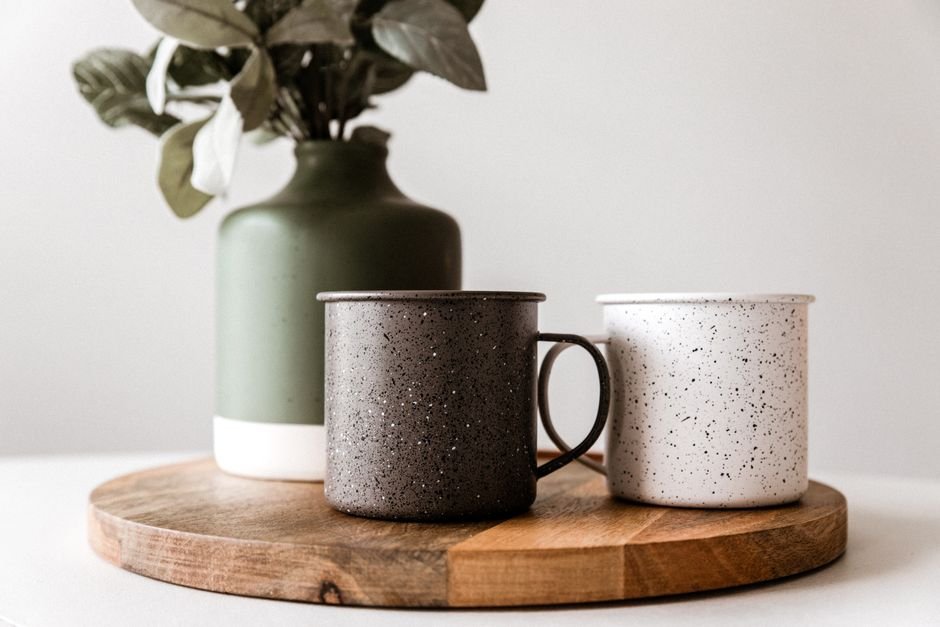
Speckled stoneware has become especially popular for its natural, flecked look under light glazes.
Check shrinkage and absorption figures on the supplier’s data sheet. They help you plan sizes and understand how dense the body becomes. Our clay body selector can help narrow options.
If you’re unsure, ask your studio which bodies they use and why. Teachers and technicians usually know which clays fire reliably in their kilns.
Before committing to a big order, buy a single bag and make a few test pieces. Throw a cylinder, build a small slab dish, and fire both with the glazes you plan to use. Check how the clay feels, how much it shrinks, and whether the glaze sits well without crazing or running. A little testing now saves a lot of disappointment later.
What Competing Stoneware Clay Guides Leave Out
Many guides praise stoneware without comparing it properly. Compared with earthenware, stoneware is denser and stronger but fires hotter. Our guide to what makes earthenware clay different covers the low fire side.
Compared with porcelain, stoneware is usually easier to work and less prone to warping, while porcelain offers whiteness and translucency. Our article on what makes porcelain pottery different explains porcelain’s strengths and challenges.
Another gap is kiln access. Stoneware needs a kiln that can reach its maturing temperature. Many home kilns and some studio kilns are set up for mid fire, while others reach high fire.
If you’re using a firing service, ask which temperatures they fire to. At Le Studio, our firing service fires electric only, with midfire firings at cone 6, around 1230 degrees Celsius, and the studio also fires to cone 10 for high fire work.
Finally, competing guides rarely mention that stoneware’s durability depends on correct firing. Underfired stoneware may look fine but remain more porous. Our ceramic studio helps you learn how to get it right.
Ready to make everyday pieces that last? Work with stoneware in the ceramic studio at Le Studio Art Space in Mordialloc, and fire your work through our in-house firing service.
Frequently Asked Questions
Is stoneware better than earthenware?
It’s stronger and denser, which suits everyday functional ware. Earthenware offers different benefits, such as bright colours and lower firing temperatures.
Is stoneware waterproof?
Properly vitrified stoneware absorbs very little water, and glazing adds further protection. Underfired stoneware may remain more porous.
Can stoneware go in the oven?
Many stoneware pieces are oven safe, but it depends on the clay, glaze and design. Avoid sudden temperature changes and follow the maker’s advice.
Is stoneware good for beginners?
Yes. Many teachers start beginners on stoneware because it’s forgiving on the wheel and durable once fired.
What temperatures does Le Studio Art Space fire stoneware at?
Le Studio Art Space’s firing service runs midfire firings at cone 6, around 1230 degrees Celsius, and the studio also fires high fire work to cone 10. Ask about current schedules.
This article is provided for general educational purposes by Le Studio Art Space. Clay bodies vary, so always follow your supplier’s recommended firing range and test any piece before relying on it for food, liquid or oven use.