Earthenware clay is a low fire clay that matures at lower kiln temperatures than stoneware or porcelain, so it stays more porous after firing. It is usually very plastic and pleasant to work, often fires to a warm red, orange or buff colour, and suits decorative pieces, planters and brightly painted ware, though it is softer and more prone to chipping than high fired clays.
Earthenware is the oldest and most widespread type of pottery in the world. Terracotta flowerpots, Mediterranean painted platters, Mexican cookware and countless ancient vessels are all earthenware. Yet many beginners pass over it in favour of stoneware without really understanding what makes earthenware clay different.
At Le Studio Art Space in Mordialloc, our firing service runs earthenware glaze firings alongside bisque and midfire, so we see plenty of earthenware pieces come through the kilns. This guide explains what earthenware clay is, how it feels to work with, its firing range and colour, what it’s best for, its limits, and a few things other guides tend to skip.
What Earthenware Clay Is
Earthenware clay is a clay body that matures at relatively low temperatures. Matures means it reaches its intended hardness and density in the kiln. For earthenware, that happens well below the temperatures used for stoneware and porcelain.
Earthenware clays usually contain more iron and other natural impurities, along with fluxing minerals that help them mature at lower heat. Those impurities are part of what gives many earthenware clays their warm colours.
After firing, earthenware remains porous. It doesn’t become fully dense and glassy the way stoneware and porcelain do, so unglazed earthenware absorbs water.
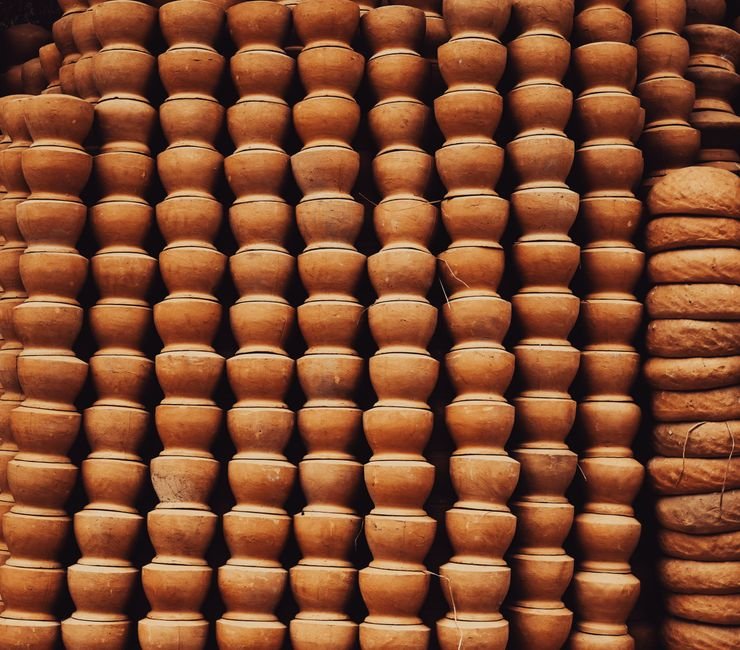
Terracotta is a well known type of earthenware. The word means baked earth in Italian, and it’s typically used for the unglazed, reddish brown clay seen in garden pots, roof tiles and sculpture.
Earthenware has a long history across almost every culture, partly because it can be fired successfully in simple kilns and even open fires, which made it accessible long before high temperature kilns existed.
Today you’ll find earthenware sold as red earthenware, white earthenware and terracotta, with or without grog. Each behaves a little differently, so it’s worth reading the supplier’s notes on firing range and shrinkage before you start.
How Earthenware Clay Feels To Work With
Many earthenware clays are wonderfully plastic. They stretch, bend and hold shape well, which makes them enjoyable for hand building, coiling and modelling.
On the wheel, smooth earthenware can feel silky and responsive. Some potters find it a little softer than stoneware, so it can slump if overworked, but it rewards a gentle, confident touch.
Red earthenware stains hands, tools and clothes more than lighter clays. It’s a small thing, but worth knowing if you share a studio or wear light colours.
Earthenware often takes burnishing beautifully. Polishing leather hard clay with a smooth stone or spoon compresses the surface and creates a soft sheen without glaze.
Drying behaviour varies. Very smooth, fine earthenware can be prone to warping if dried unevenly, so covering pieces and drying them slowly helps. Grogged earthenware dries more evenly and suits larger forms.
Many beginners enjoy how forgiving earthenware feels for joining. Scored and slipped joins tend to bond readily, which makes it a friendly choice for hand built boxes, figures and slab work.
Earthenware Clay Firing Range And Colour
Earthenware is typically fired in the low fire range, often somewhere around cone 06 to cone 02, though exact ranges vary by clay body. Your supplier’s label will state the recommended range.
At Le Studio, our firing service fires earthenware glaze firings at cone 03, around 1090 degrees Celsius, with bisque firings around cone 06. Those figures suit many common earthenware bodies.
Colour is one of earthenware’s most attractive qualities. Red earthenware fires to warm terracotta, brick red or brown, depending on temperature and atmosphere. White and buff earthenware fire lighter, making a bright base for colourful glazes.
Low firing temperatures also allow a wide palette of bright glaze colours. Many vivid reds, oranges and yellows are easier to achieve at earthenware temperatures than at higher ones.
Firing earthenware above its maturing range can be a problem. It may bloat, slump or even melt, so it’s important not to fire it at stoneware temperatures. Our guide to kiln firing temperatures and our pyrometric cone chart help you understand where earthenware sits.
Atmosphere matters too, although most studio earthenware is fired in electric kilns with plenty of oxygen. That oxidising atmosphere gives reliable, bright results, which is one reason earthenware is so popular for colourful, painted work.
What Earthenware Clay Is Best For
Decorative work is a natural fit. Earthenware’s warm colour and bright glaze palette make it ideal for platters, wall pieces, ornaments and sculpture.
Planters are another classic use. Terracotta’s porosity lets soil breathe and moisture move, which many plants appreciate. Unglazed terracotta planters are a garden staple for good reason.
Painted ware suits earthenware well. Traditions such as maiolica and Delftware used tin glazed earthenware with painted decoration, and our article on the charm of hand painted pottery explores that style.
Earthenware also suits hand building and sculpture, especially grogged versions that dry evenly and resist cracking.
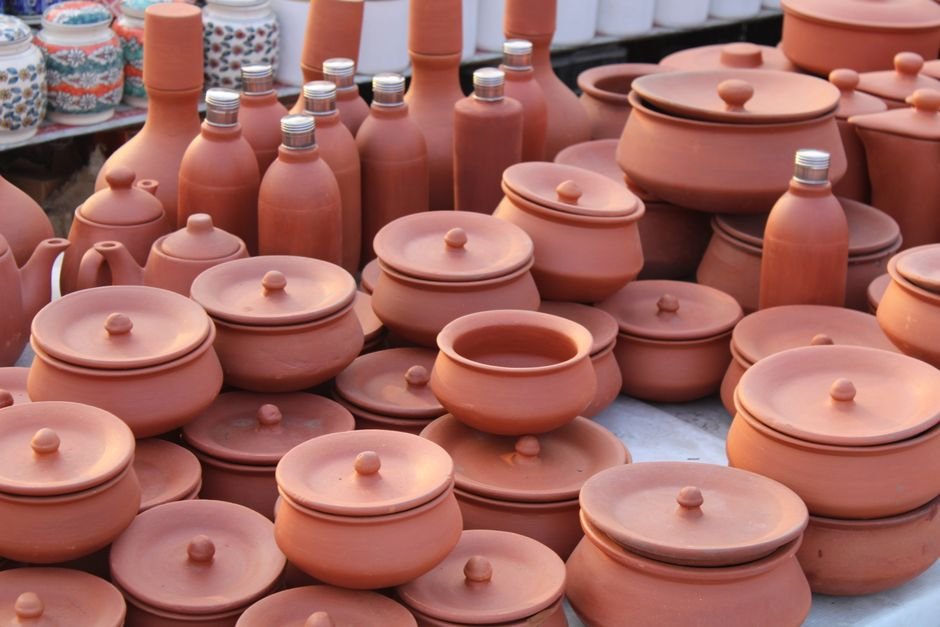
Many potters use earthenware for functional ware too, such as bowls, jugs and serving dishes, provided it’s well glazed and fired correctly. It’s lighter and warmer in feel than stoneware, which some people prefer.
It can be a budget friendly choice as well. Lower firing temperatures mean shorter firings and less energy, which matters if you’re paying for firings or running your own kiln. Our kiln electricity cost calculator shows how temperature affects running costs.
Limits Of Earthenware Clay
Porosity is the main limitation. Because earthenware doesn’t become fully dense, unglazed areas absorb water, and liquids can slowly seep through if the glaze doesn’t fully cover the piece.
Durability is another consideration. Earthenware is softer than stoneware and porcelain, so rims and edges can chip more easily with everyday use.
Thermal shock can be an issue. Sudden temperature changes, such as moving a cold dish into a hot oven, may cause cracks, though some earthenware traditions are specifically designed for cooking.
Glaze fit matters a lot. If a glaze doesn’t suit the clay, it can craze, forming fine cracks that let water reach the porous body underneath.
Finally, earthenware may not suit the kiln setup you have access to. Mixing earthenware into a stoneware firing can be disastrous, so always check firing ranges before booking a kiln.
None of these limits make earthenware a poor choice. They simply mean planning ahead: glazing interiors fully, choosing sturdy rims for everyday pieces, and treating finished work with a little care. Many potters happily use earthenware tableware for years with those habits in place.
What Competing Earthenware Clay Guides Leave Out
Many guides call earthenware porous and stop there. They rarely explain how glaze can make earthenware more watertight. A well fitted glaze that fully covers the inside of a piece creates a glassy barrier, significantly reducing water absorption.
Glaze fit is key. A glaze that crazes can let water through, while a well matched glaze stays intact. Testing glazes on your clay body is the best way to check. Our clay absorption calculator helps you measure how much water a fired body takes up.
Another gap is how earthenware compares with stoneware for beginners. Stoneware is often recommended as a first clay because it’s strong and forgiving at mid fire temperatures. Earthenware, though, offers bright colours, lower firing costs and a beautiful feel for hand building.
The best choice depends on what you want to make and what kiln you can use. Our clay body selector and guide to stoneware versus porcelain versus earthenware help you compare.
Finally, competing guides rarely mention how earthenware looks after bisque firing. It often keeps its warm colour, which can affect how glazes look. Our guide to bisque fired pottery explains that stage, and our ceramic studio lets you try different clays side by side.
Want to feel the difference earthenware makes? Try earthenware in the ceramic studio at Le Studio Art Space in Mordialloc, and ask about earthenware glaze firing through our in-house firing service.
Frequently Asked Questions
Is earthenware good for beginners?
It can be. Earthenware is plastic and pleasant to work, and it fires at lower temperatures. Many beginners still start with stoneware for its strength, so try both if you can.
Can earthenware hold water?
Unglazed earthenware absorbs water. A well fitted glaze that fully covers the inside can make it much more water resistant.
Is terracotta the same as earthenware?
Terracotta is a type of earthenware, usually reddish and often left unglazed.
Can I fire earthenware at stoneware temperatures?
No. Firing earthenware too hot can cause it to bloat, slump or melt. Always follow the clay’s recommended firing range.
Does Le Studio Art Space fire earthenware?
Yes. Le Studio Art Space’s firing service offers earthenware glaze firings at cone 03, around 1090 degrees Celsius, as well as bisque and midfire firings.
This article is provided for general educational purposes by Le Studio Art Space. Clay bodies vary, so always follow your supplier’s recommended firing range and test glazes before relying on any piece for food or liquid use.